
Water Flosser (Oral Irrigator): Complete Guide to Benefits, Types, and How to Use
Your mouth is a gateway to your overall health, and keeping it clean involves more than just brushing. While a toothbrush and floss are essential, an oral irrigator—often called a water flosser—can take your daily hygiene to the next level. This device uses a concentrated stream of water to dislodge food particles and plaque from hard-to-reach areas, making it a perfect complement to traditional cleaning methods.
In this comprehensive guide, we will walk you through everything there is to know about water flossers: what they are, how they work, their many benefits, the different types available, and how to choose, use, and maintain one for a brighter, healthier smile.
What Is an Oral Irrigator (Water Flosser)?
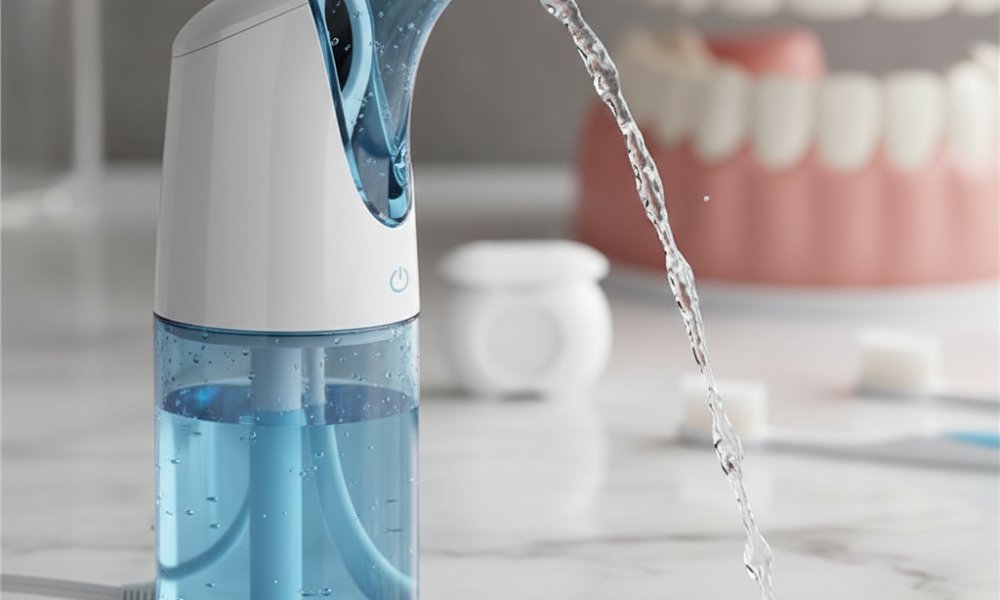
An oral irrigator is an electric personal care appliance that sprays a thin, high-pressure stream of water into your mouth. It targets the spaces between teeth, along the gum line, and deep inside periodontal pockets where food and plaque tend to hide. The device typically consists of a water reservoir, a motor unit, and interchangeable tips.
Its working principle is simple yet effective: you fill the reservoir with lukewarm water, the motor pressurizes it, and it exits through a specially designed nozzle as a focused jet. This jet flushes away debris and soft plaque that your toothbrush or string floss might miss. Many models come with multiple pressure settings, so both beginners and those with sensitive gums can find a comfortable intensity. Dentists frequently recommend oral irrigators for people with braces, implants, crowns, or gum disease.
Key Benefits of Using a Water Flosser
Adding a water flosser to your routine offers several distinct advantages for your oral health:
- Improved Gum Health: The pulsating water helps remove bacteria from below the gum line, reducing inflammation and the risk of gingivitis.
- Better Plaque Control: It cleans areas that a toothbrush cannot reach easily, especially between teeth and around dental restorations.
- Fresher Breath: By eliminating trapped food particles—a primary cause of bad breath—it keeps your mouth feeling fresh.
- Ideal for Orthodontics and Implants: Braces, bridges, and implants create extra nooks that are hard to clean; a water flosser makes this task simple and efficient.
- Gentle on Gums: For people with sensitive gums, a water flosser is often more comfortable than traditional floss while still being highly effective.
Different Types of Oral Irrigators
Choosing the right type depends on your lifestyle and oral care needs. Here are the most common categories:
- Countertop (Corded) Models: These have a large water tank and usually offer more pressure settings and tip varieties. They are ideal for home use as they stay on the bathroom countertop.
- Cordless (Portable) Models: Battery‑powered and compact, these are perfect for travel or small bathrooms. They have a smaller reservoir but offer great convenience.
- Faucet‑Attached Models: These connect directly to your faucet and use water pressure without an internal motor. They are budget‑friendly but limit usage to the sink area.
- Combination Units: Some electric toothbrushes come with a built‑in water flosser feature, allowing you to brush and irrigate in a single device.
How to Use an Oral Irrigator Effectively
Follow these simple steps for a safe and effective experience:
- Fill the reservoir with lukewarm water. You may add a small amount of alcohol‑free mouthwash if you wish, but plain water works perfectly.
- Select the right tip and attach it securely to the handle.
- Start with the lowest pressure setting, especially if you are new to irrigators.
- Lean over the sink, place the tip in your mouth, and close your lips slightly to prevent splashing.
- Turn the device on and guide the water stream along your gum line and between each tooth. Spend about two seconds on each gap.
- When finished, turn off the device, empty the reservoir, and rinse the tip before storing.
What to Consider When Buying a Water Flosser
Keep these factors in mind to find the model that best suits your needs:
- Pressure Settings: Multiple levels allow you to tailor the intensity. Beginners and those with sensitive gums should prioritize models with a low‑pressure option.
- Water Tank Size: Larger tanks provide longer uninterrupted use; smaller tanks increase portability. Think about your typical routine.
- Tip Variety: Look for models that include multiple tip types (standard, orthodontic, implant, tongue cleaner) to address different oral care tasks.
- Noise Level: If noise bothers you, read reviews to find a quieter model.
- Ease of Cleaning: Removable, dishwasher‑safe reservoirs and tips make maintenance much easier.
- Warranty and Parts: A longer warranty and easy availability of replacement parts indicate good durability.
Maintenance and Cleaning Tips
To keep your irrigator performing well and hygienically clean, follow these guidelines:
- Empty the Reservoir After Each Use: Standing water can encourage bacterial growth and mineral deposits.
- Rinse and Replace Tips: Rinse the tip with clean water after every use and replace it every 3 to 6 months, or as recommended by the manufacturer.
- Deep‑Clean the Reservoir: Every few weeks, fill the tank with a mixture of white vinegar and water to dissolve any mineral buildup. Rinse thoroughly afterwards.
- Wipe the Exterior: Use a damp cloth to clean the outside; avoid abrasive cleaners.
- Store in a Dry Place: Keep the device in a well‑ventilated area to prevent moisture accumulation.
Frequently Asked Questions
Can a water flosser replace a toothbrush?
No, it is not a replacement. A toothbrush removes plaque from tooth surfaces, while an irrigator cleans between teeth and below the gum line. Using both gives you the most thorough clean.
Will a water flosser make my gums bleed?
If you start on a low setting and your gums are healthy, you should not experience bleeding. If you have gum disease, a little bleeding may occur initially, but it usually subsides as your gums become healthier. If bleeding persists, consult your dentist.
How often should I use it?
Most people benefit from once‑daily use. Those with braces or implants may use it more frequently. Your dentist can provide personalized advice.
Is it safe for children?
Oral irrigators are primarily designed for adults. Children should only use them under adult supervision, and it is best to ask a dentist first. Choose a model with adjustable low pressure.
Can I use mouthwash or salt in the water?
Yes, you can add a small amount of diluted mouthwash or salt water. However, always check your device’s instructions, as some models recommend plain water only. Avoid alcohol‑based mouthwashes to prevent damage.
What about braces and implants?
Water flossers are highly recommended for people with braces, implants, bridges, or crowns. They make cleaning around these structures much easier and more effective. Use an orthodontic or implant‑specific tip for best results.
This article originally appeared on the Watsons blog.